

It feels like we’ve been saying this since 2016, but 2025 really did feel like another dumpster fire of a year. Political tensions sharpened, online noise reached new extremes, and the sense of living in a permanent instability became harder to shake. Everywhere you looked, people grew more polarized, more burnt out and scrambling to process it all. In moments like these, music became essential—not as an escape, but as a way to power through the chaos.
The best albums capture a year’s emotional weather better than any headline ever could. That’s what makes 2025’s alternative and indie releases worth mentioning. Some records offered refuge in nostalgia and imagination. Others leaned into gothic theatrics or jittery rock chaos. A few traced personal reckonings—sobriety, reconnection, growing up late. Together, they became artifacts of the moment, documenting the messiness, humour, anger, and strange hope running beneath this year.
This isn’t a definitive list or a clean narrative of the year in sound. It’s a playlist of records that resonated because they matched the chaos around us—rough-edged, honest, and alive. These are the alt and indie albums that captured 2025 in all its wild energy.
Tapeworms, Grand Voyage

In the words of Billy Corgan, “the beginning is the end is the beginning” — or something close to that— and Tapeworms lean fully into that looping sense of time on Grand Voyage. They deliver a comforting glow of nostalgia made even more charming because none of them were old enough to remember the Y2K era the first time around. Instead, they recreate it through imagination: soft-focus synths, toy-keyboard melodies, sugar-rush beats, and a hazy dream-pop sheen that feels like rediscovering a vintage video-game console in the attic.
Across the album’s bright, carefully crafted tracks, Tapeworms tap into the kind of escapism the year desperately needed. It doesn’t deny he chaos outside. It just gives it a breather from it — a pastel-colored world where everything feels lighter, looser, and a little bit magical. Grand Voyage captures the year’s mood by offering a refuge, bottling innocence in a time that often felt anything but.
Heartworms, Glutton For Punishment
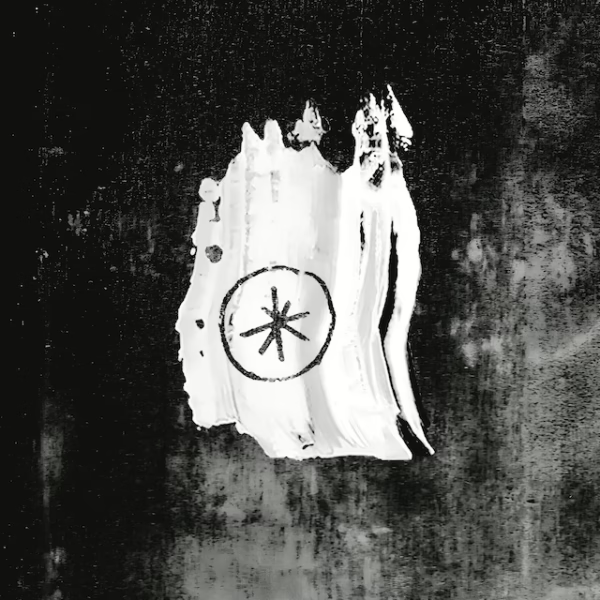
Goth’s full-blooded return made absolute sense in a world this dark, and Heartworms channelled it better than anyone. Glutton For Punishment, Jojo Orme’s long-anticipated debut, arrived like a meticulously sharpened blade: dramatic, danceable, and steeped in the anxieties that defined 2025. The rollout felt almost old-school in its slow burn, but the album itself rejects nostalgia. Instead, Orme builds a distinctly modern gothic world where post-punk tension collides with industrial electronics, and teenage-bedroom angst grows up without losing its bite.
These tracks wrestle with broken homes, self-destructive impulses, and humanity’s urge to court chaos. The themes could feel heavy, but the music stays surprisingly propulsive. Tracks swing between brooding atmospherics and driving beats, echoing everything from Siouxsie to LCD Soundsystem. It’s melodramatic, yes, but refreshingly so. It’s a record that embraces the theatrics of doom to make sense of living through a year that already felt apocalyptic. Glutton For Punishment didn’t just fit 2025’s mood; it embodied it.
BC Camplight, A Sober Conversation
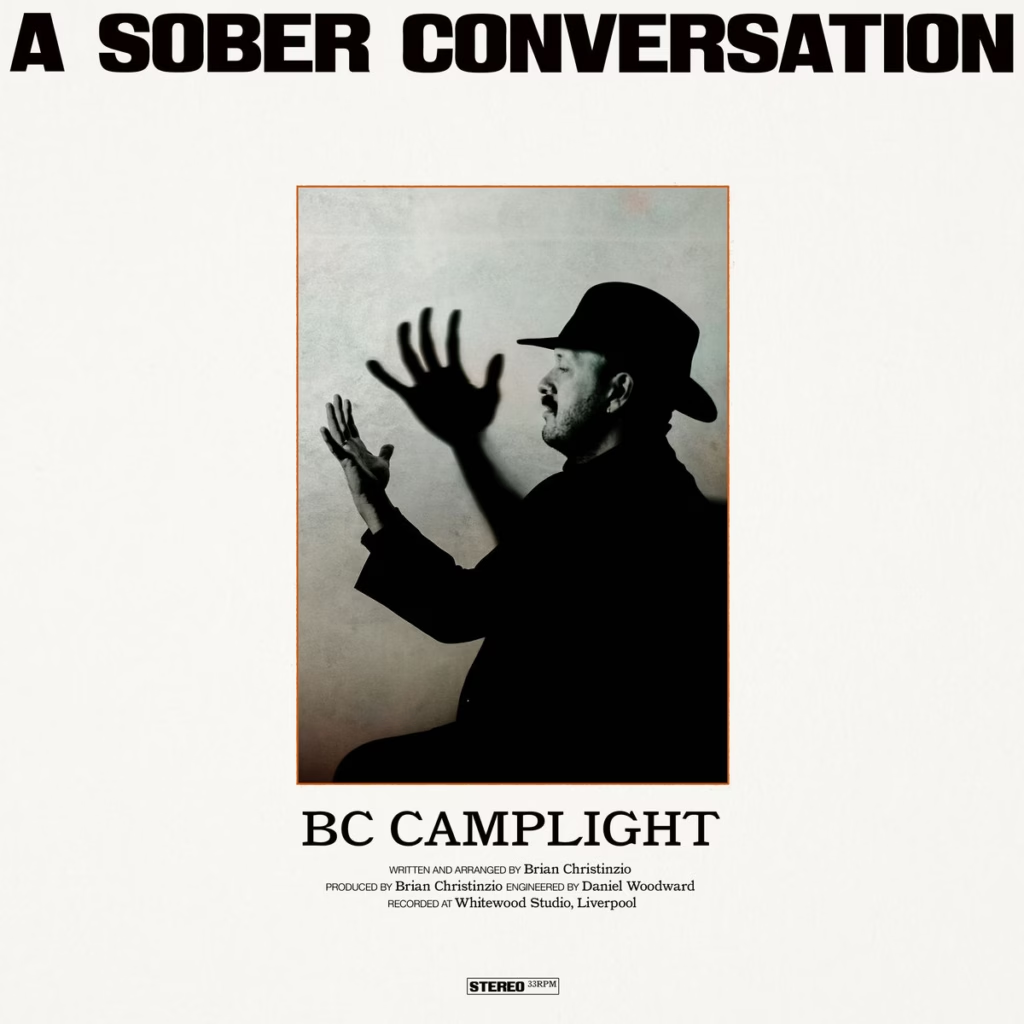
If this year had a recurring theme, it was the urge to heal while still laughing at the sheer madness of it all. A Sober Conversation captures that balancing act perfectly. Brian Christinzio has long been the patron saint of beautiful wreckage, documenting addiction, heartbreak, and existential collapse with sharp wit and disarmingly pretty melodies. But here, something shifts. Sobriety gives the album a strange new clarity. The humour remains pitch-black and the arrangements still wild, but the emotional centre feels steadier and braver.
Tracks like “The Tent” confront buried trauma with unflinching honesty. Meanwhile, songs such as “Two Legged Dog” and “Bubbles In The Gasoline” offer a gentler, more hopeful kind of chaos — proof that joy can coexist with scars. Throughout the project, Christinzio leans into reflection without losing the self-deprecating humor that’s always grounded his work.
In a year when many of us clung to gallows humor just to stay afloat, A Sober Conversation landed with impact.
Geese, Getting Killed
If a single rock band embodied the jittery, sorrow-streaked, “ah, screw it” energy of 2025, it was Geese. Getting Killed finds the band levelling up in spectacular fashion, twisting Radiohead-esque paranoia, Pixies-style frenzy, and a streak of Springsteen Americana into something urgent and uncomfortably alive. It’s the sound of a group running on instinct and frayed nerves, all sharp turns and no brakes — a perfect match for a year that never stopped lurching sideways.
What makes the record hit so hard is its emotional whiplash. One moment, you’re knee-deep in anxiety; the next, you’re soaring through big-sky choruses that feel reckless enough to be liberating. The songs fidget, explode, collapse, then burst into life again, mirroring the strange cocktail of dread and adrenaline that threaded through scrolling, working, and simply existing in daily life.
Getting Killed isn’t neat, and it isn’t polite. It’s too jumpy, too bruised, too gloriously unfiltered for that. But if you wanted a rock album that captured the raw pulse of the year, chaos and catharsis included, Geese delivered.
Hayley Williams, Ego Death at a Bachelorette Party

On her third solo album, Hayley Williams finally cements what many suspected for years: she’s not just a great frontwoman. She’s a true generational talent. Ego Death at a Bachelorette Party is gloriously excessive, packing 20 tracks of emotional whiplash, genre-hopping chaos, and diaristic honesty. Yet it never buckles under its own ambition. It plays like a millennial coming-of-age epic, tailor-made for those of us who grew up on emo, scene culture, and the catharsis of yelling our hearts out in small venues.
Williams throws everything but the kitchen sink at the wall, and somehow, it all sticks. The record zips between pop melancholy, guitar-driven intensity, deadpan humor and moments of real devastation, all delivered with her unmistakable emotional clarity. It’s messy, funny, bruised, and full of hard-won self-awareness. A portrait of growing older, but never losing the spark that made you in the first place.
In a year defined by personal reinventions and collective burnout, Ego Death at a Bachelorette Party felt like an emotional purge. Not only was it a roaring critical success, but it also stands as one of 2025’s most human releases.
Disiniblud, Disiniblud
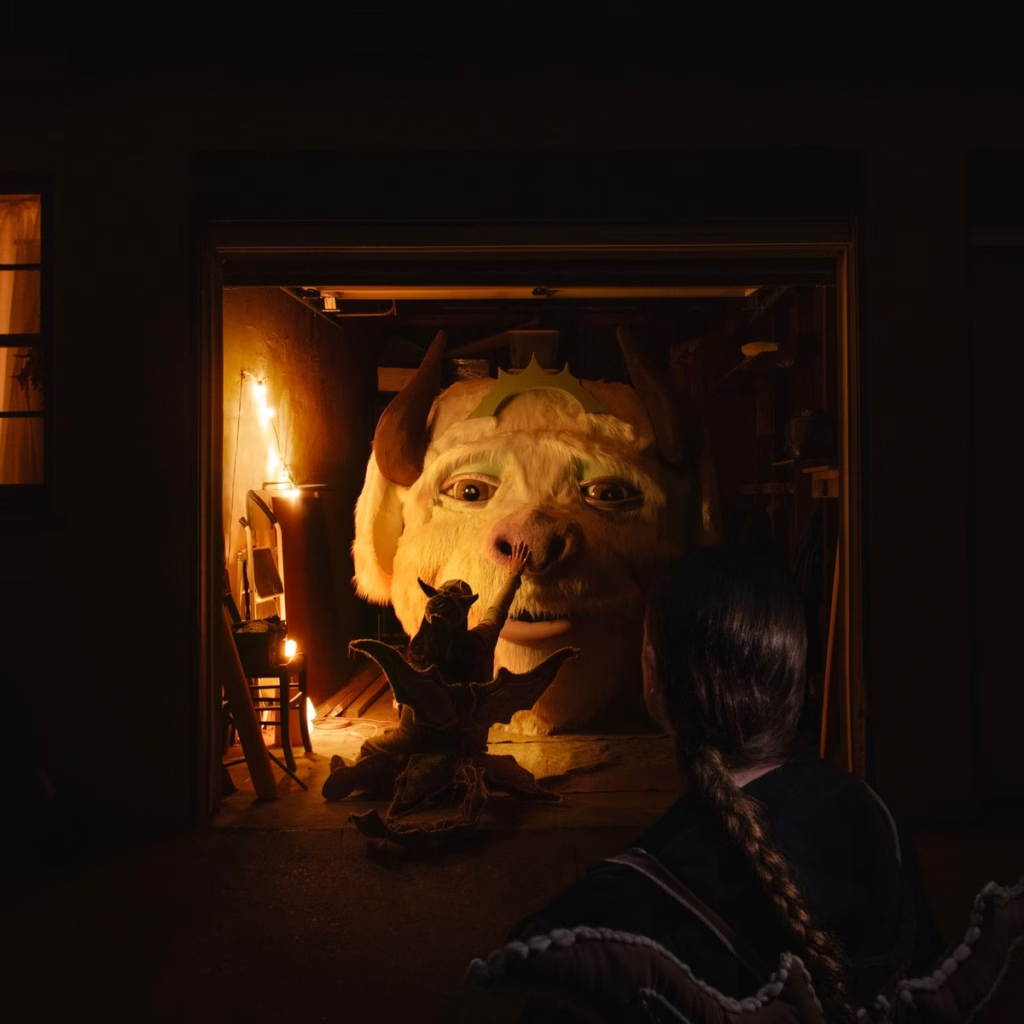
In a year where escapism felt like survival, Disiniblud stood out by offering more than escapism. They delivered a full-blown detour into a world built on friendship, curiosity, and boundary-pushing imagination. The debut collaboration between Rachika Nayar and Nina Keith doesn’t sit still for a second. It drifts between dream-pop haze, ambient drift, and sudden blasts of rave-ready electronics. It’s as if the duo were mapping the inside of a shared subconscious. The result is a record that feels both intimate and otherworldly — a reminder that reflection doesn’t have to be quiet, and experimentation doesn’t have to be cold.
What anchors the album is the chemistry between the two artists. Their bond, forged through online admiration and a chance meeting in a Brooklyn park, runs through every twist of the record. Even its wildest moments feel rooted in trust. In a chaotic year, Disiniblud delivered an escape fuelled by collaboration, spiritual curiosity, and the joy of pushing past the edges of what you thought a record could be.
Great Grandpa, Patience, Moonbeam
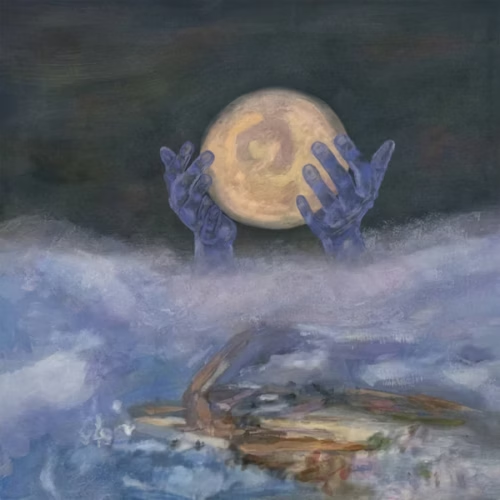
Patience, Moonbeam arrived like a grounding force this year, like the indie-rock equivalent of a deep, steadying breath. Great Grandpa’s first album in six years could easily have been a casualty of distance, life changes, and shifting priorities. Luckily, those very challenges shaped a record steeped in calm, joy, and the quiet triumph of finding your way back to each other.
What makes it so affecting is the band’s willingness to start fresh. Scrapping old ideas, they poured years of scattered living into songs that feel both pastoral and chaotic. Tracks flicker between glitched electronics, psychedelic pop, and warm acoustic textures, yet always land somewhere deeply human.
“Ladybug” exemplifies this best — a swirl of synths, slide guitar, banjo, and pure melodic instinct that shouldn’t work but absolutely does. Elsewhere, moments of tension erupt into cathartic release, mirroring the emotional recalibration the band underwent.
Patience, Moonbeam is a reminder that reconnecting with friends, with yourself, and with the simple joy of making noise together can be radical. It stands out as one of 2025’s gentlest triumphs.
Water From Your Eyes, It’s a Beautiful Place
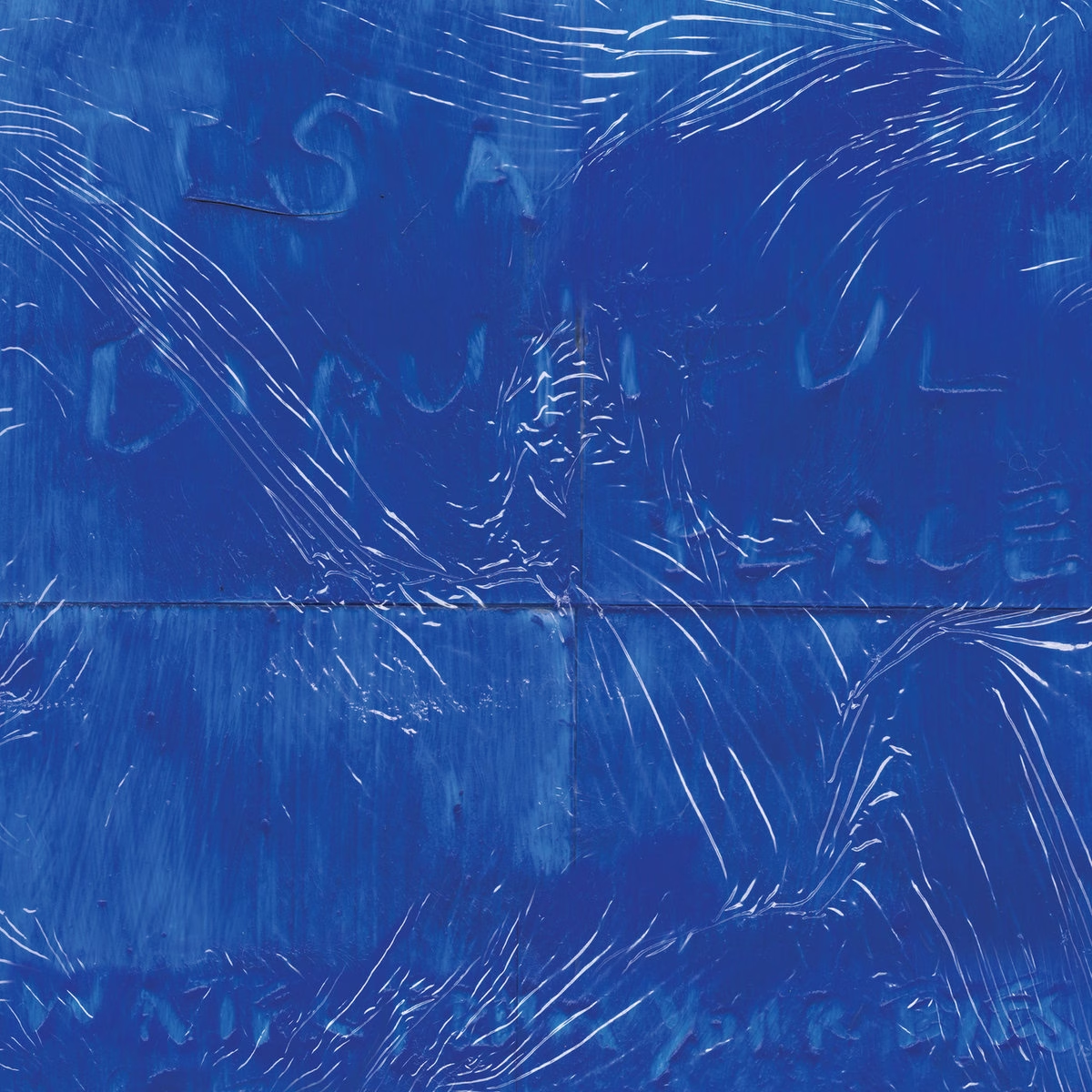
It’s a Beautiful Place is the record that finally forced people to sit up and notice Water From Your Eyes. The Brooklyn duo’s knack for twisting pop into jagged, unpredictable shapes is on full display, creating a sound that feels equally tender and corrosive. Imagine filming a crumbling world on an old camcorder, capturing beauty in the decay, aggression in the mundane, and all the while maintaining a wry, detached eye. That’s this album in a nutshell.
Beneath the cool, art-school veneer lie hooks that pierce and linger, melodies that threaten to slip into pure pop but never quite do. Songs feel like fragments of memory — intimate, brittle, and slightly off-kilter. But the band’s precision and timing keep the chaos in check. This year, everything felt unsteady and nothing quite made sense. It’s a Beautiful Place mirrored that jittery, fragmented energy while still offering glimmers of grace and connection. It’s the sound of noticing the world breaking apart and, somehow, making it sing.
Mei Semones, Animaru
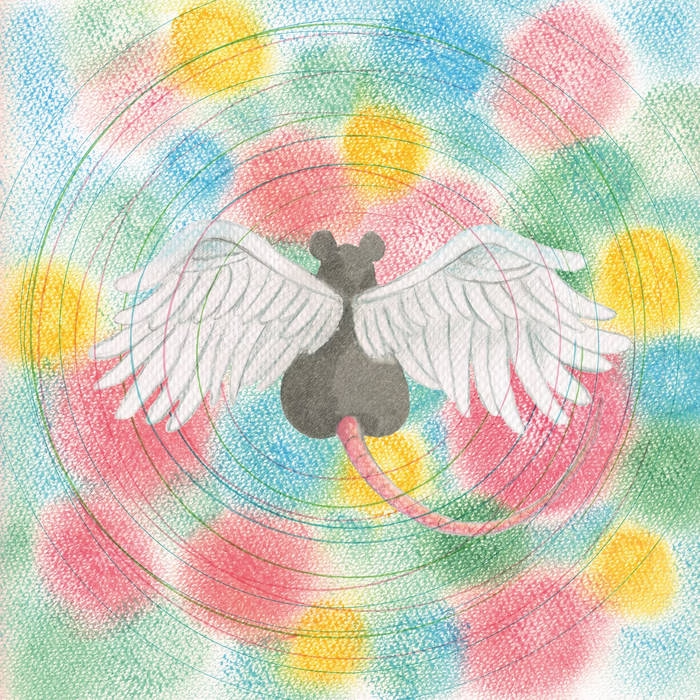
Animaru felt like a quietly radical statement. Mei Semones blended J-pop, jazz, and indie in ways that erased genre boundaries entirely. The approach reflects how Gen Z artists approach music now: not as fixed categories, but as palettes to be combined, reimagined, and softened. Singing in Japanese and English, her fluid guitar work and lush arrangements nod to decades past — bossa nova warmth, chamber-pop delicacy, jazzy sophistication — without ever feeling nostalgic or derivative.
What makes the album so compelling is its balance of introspection and playfulness. It’s soothing without being dull, intricate without being inaccessible. Animaru offered a blueprint for looking back, borrowing freely, and crafting something entirely new. It’s a fresh, intimate, and arresting sound that felt unmistakably of its moment.